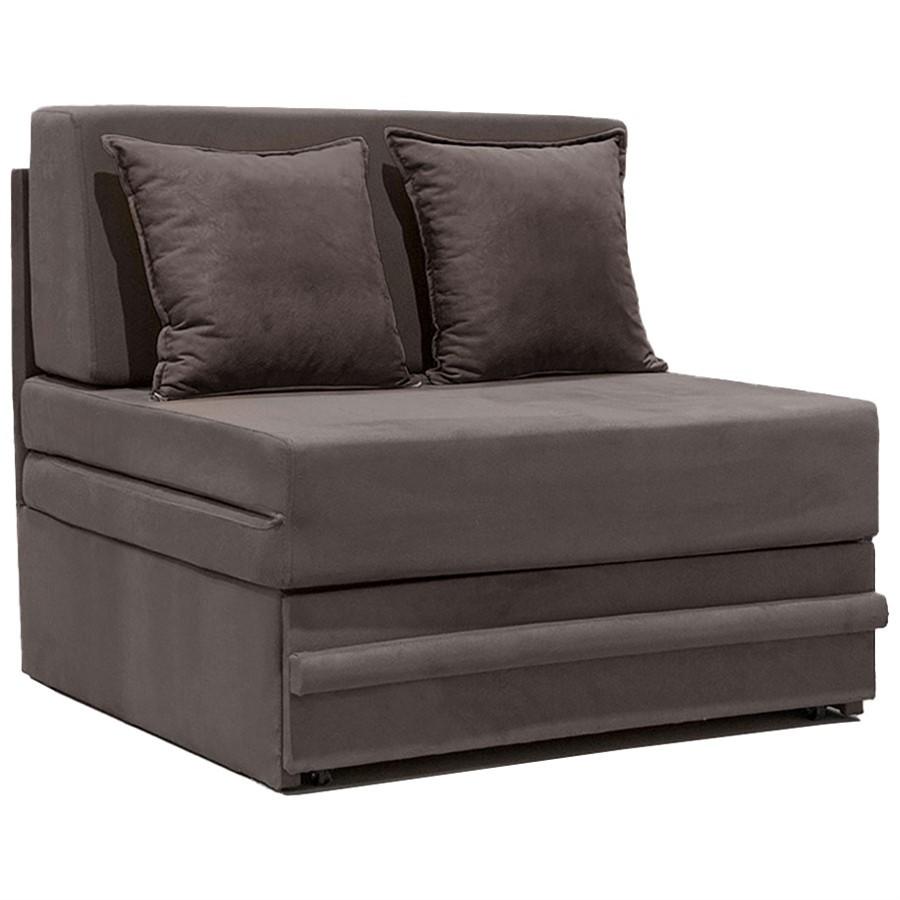
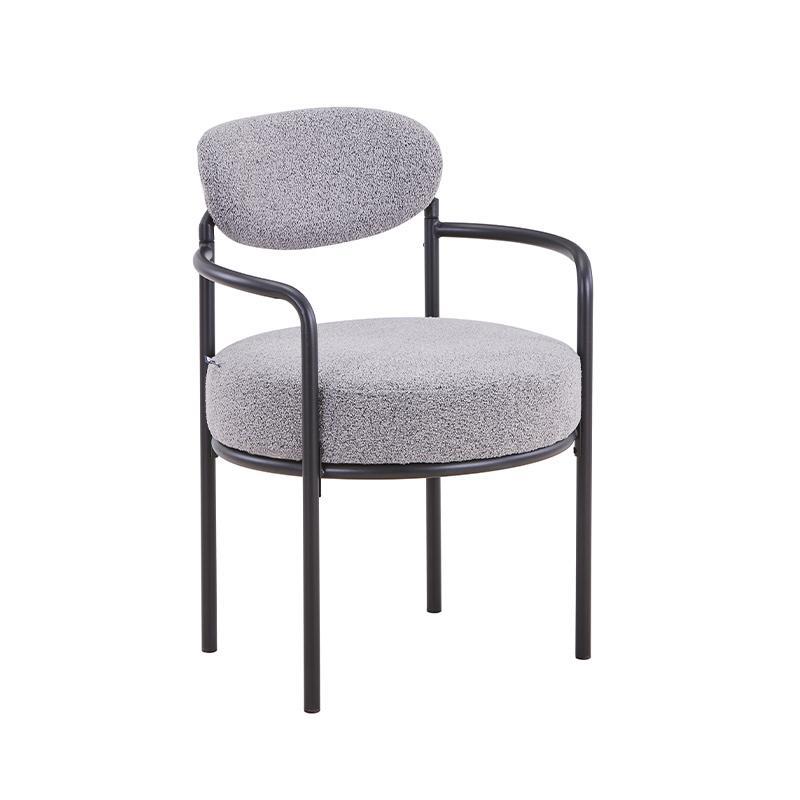
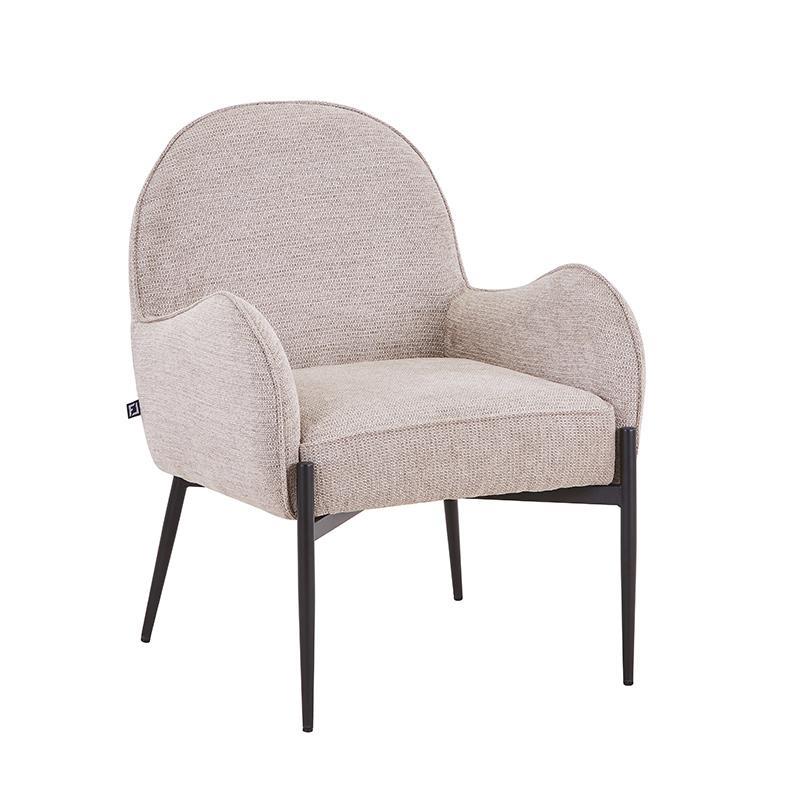
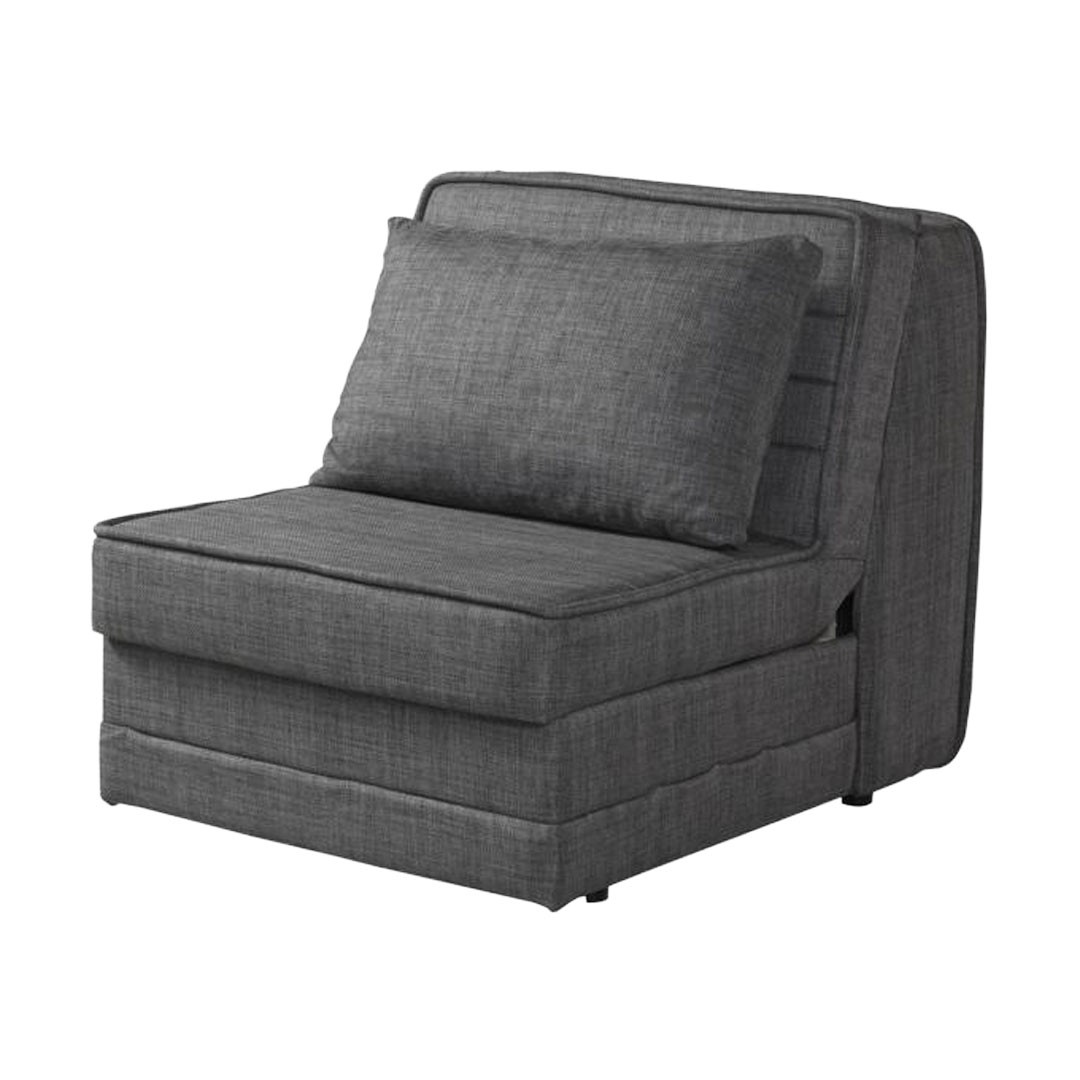
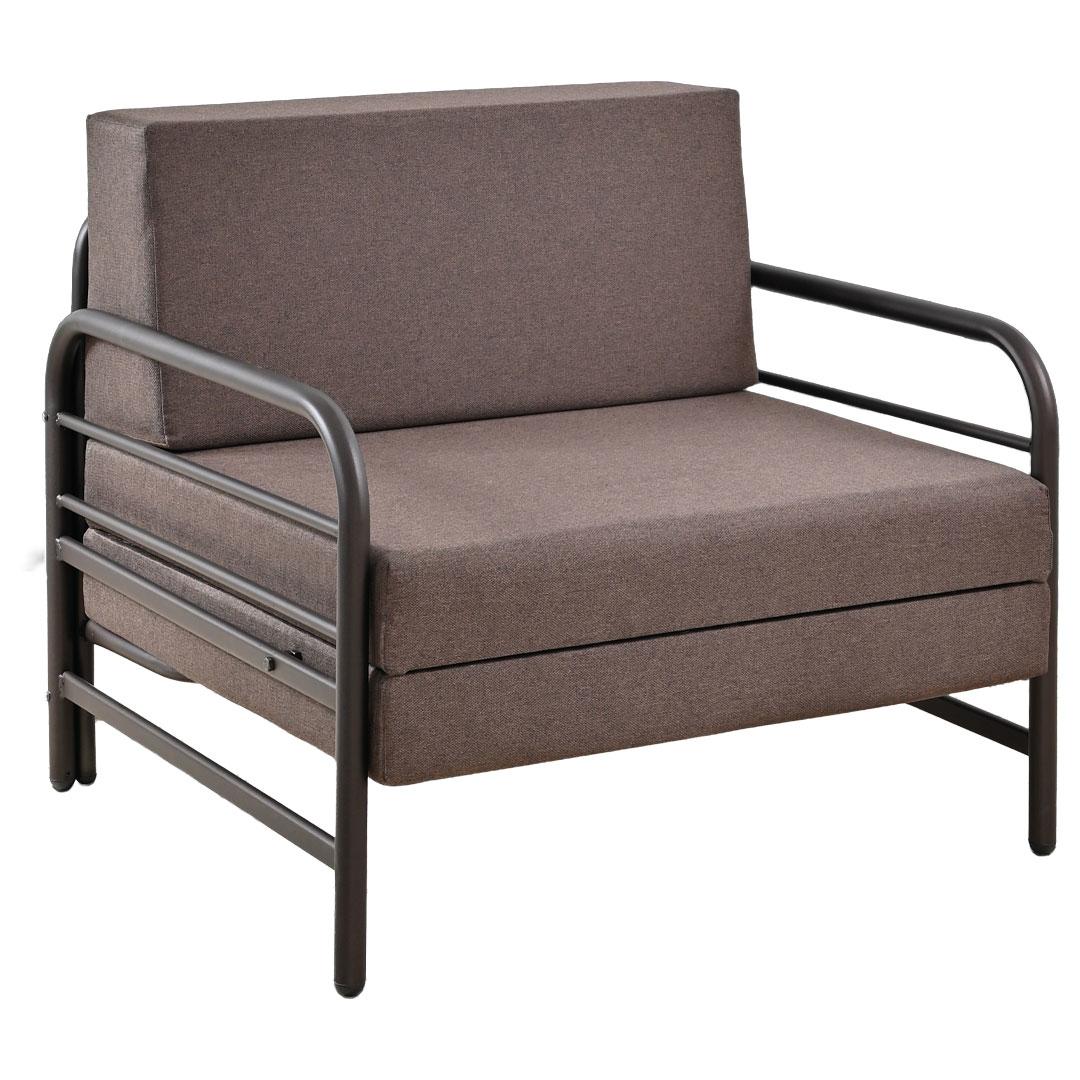
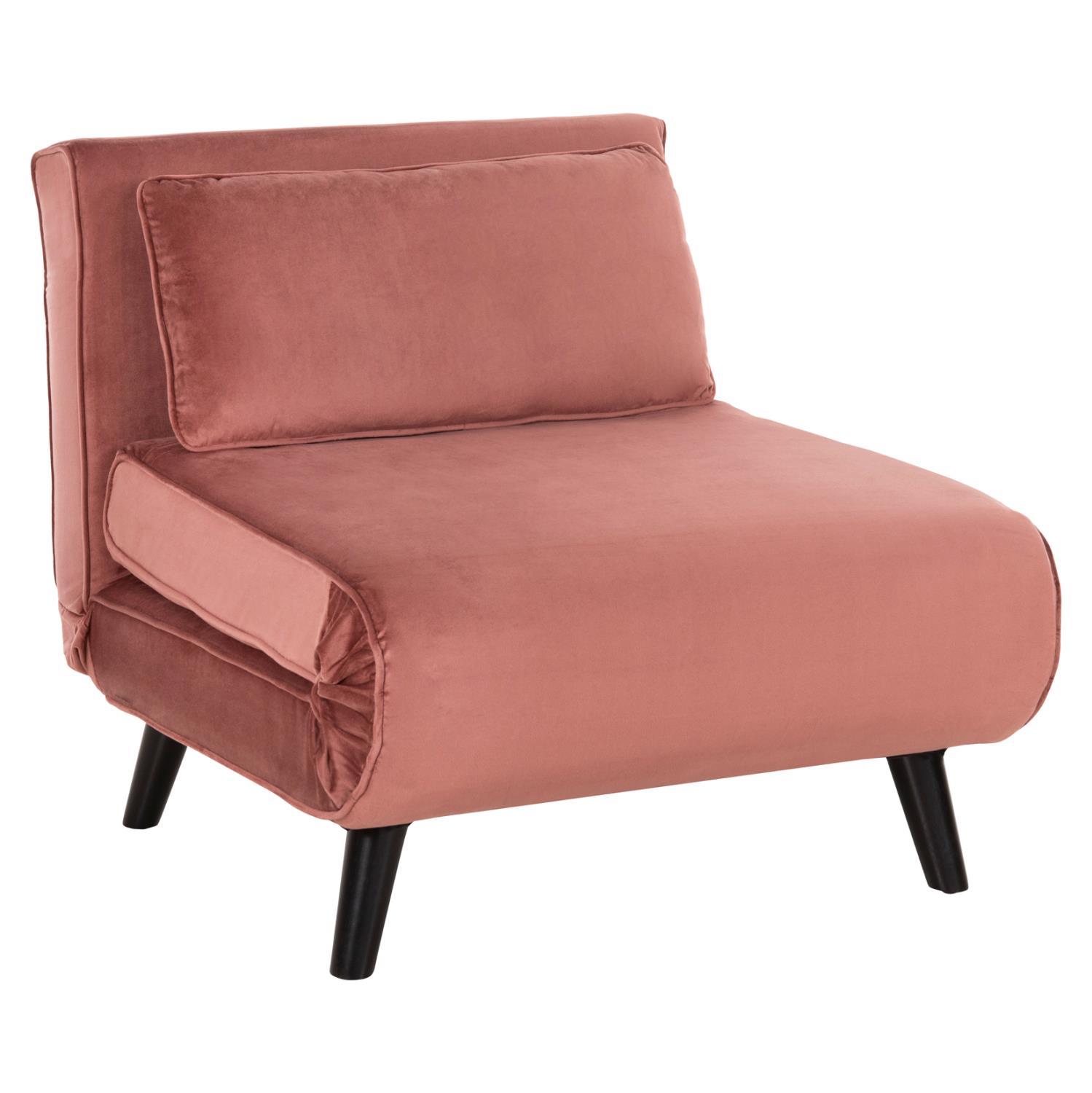
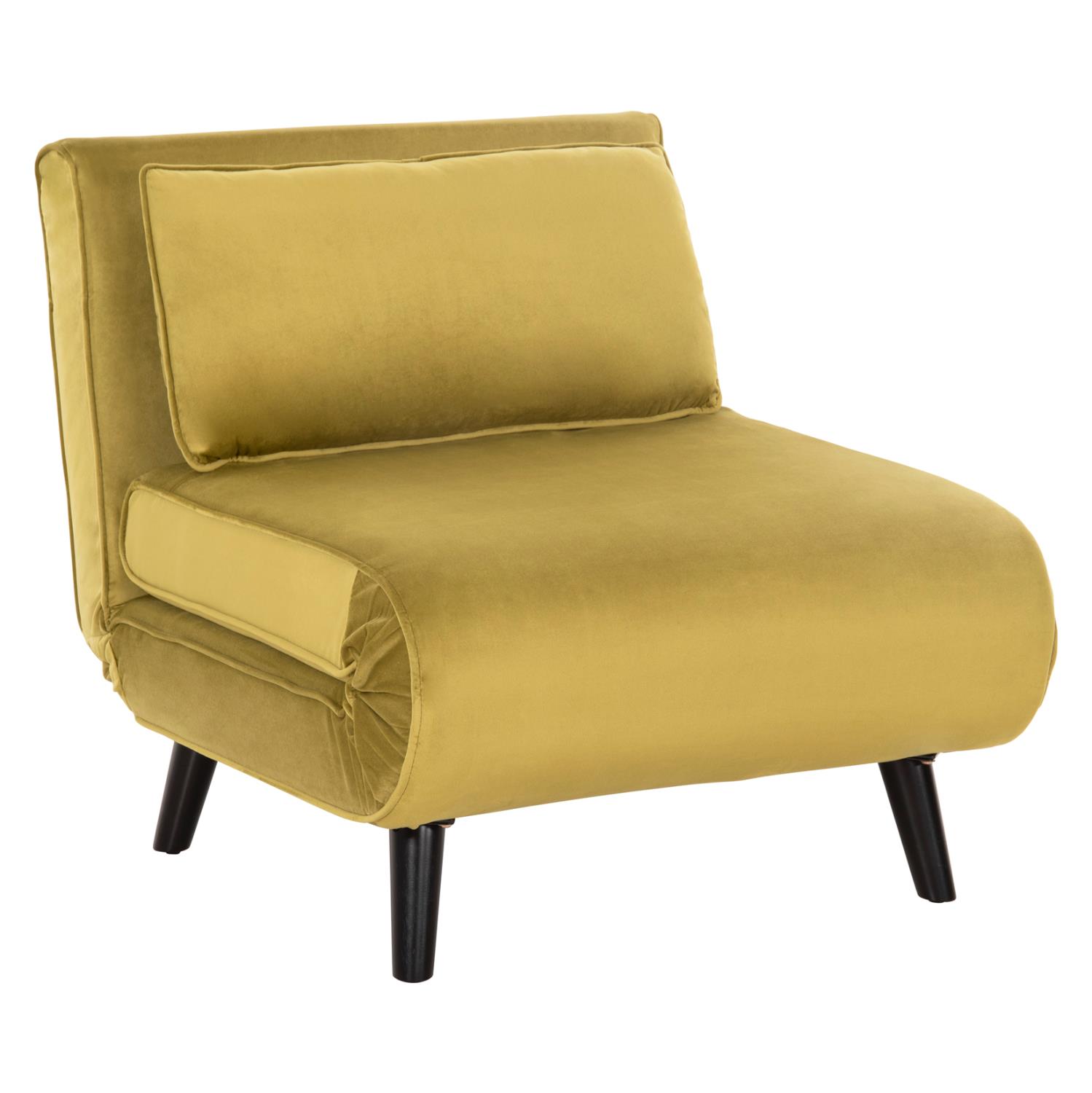
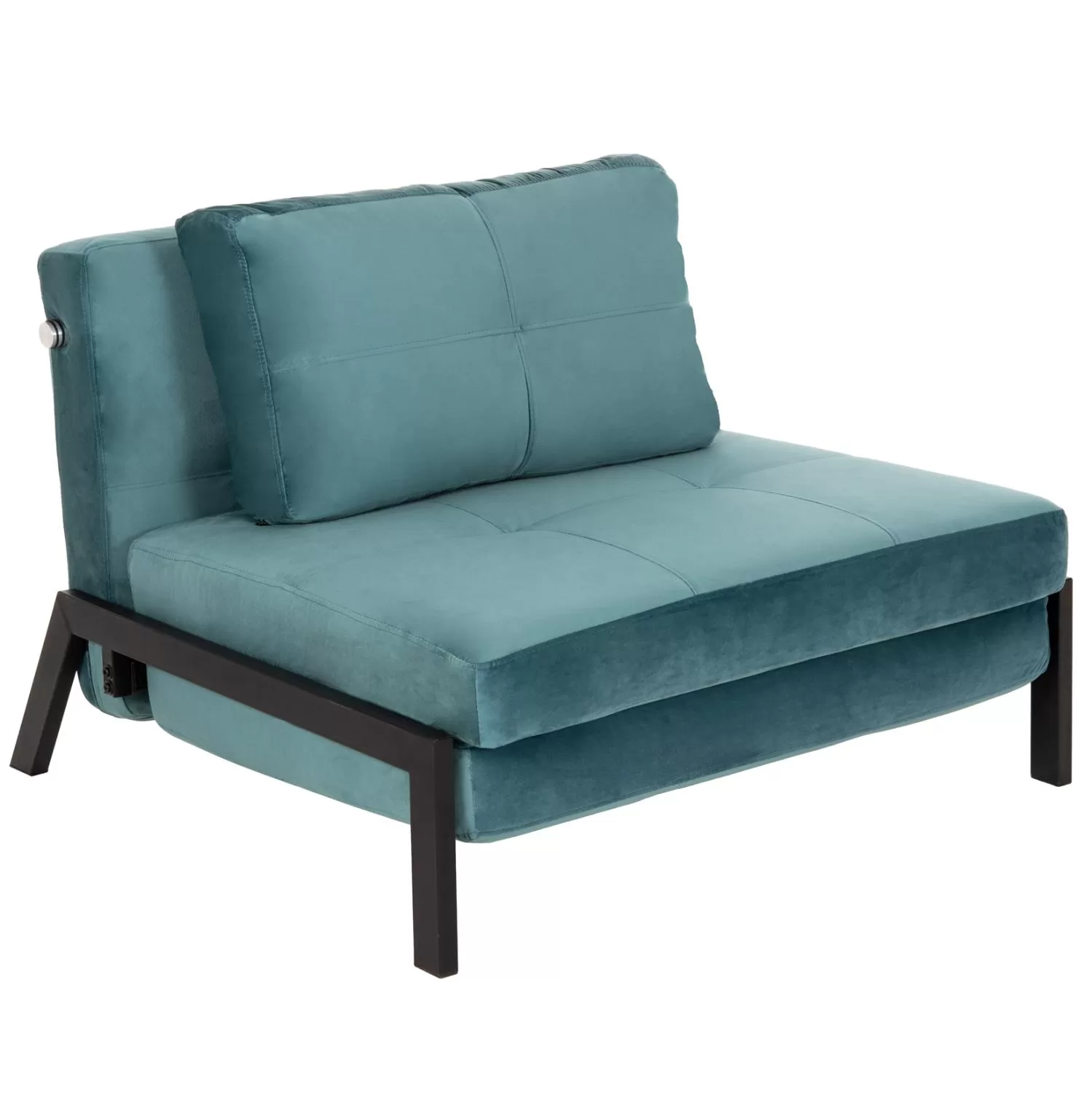
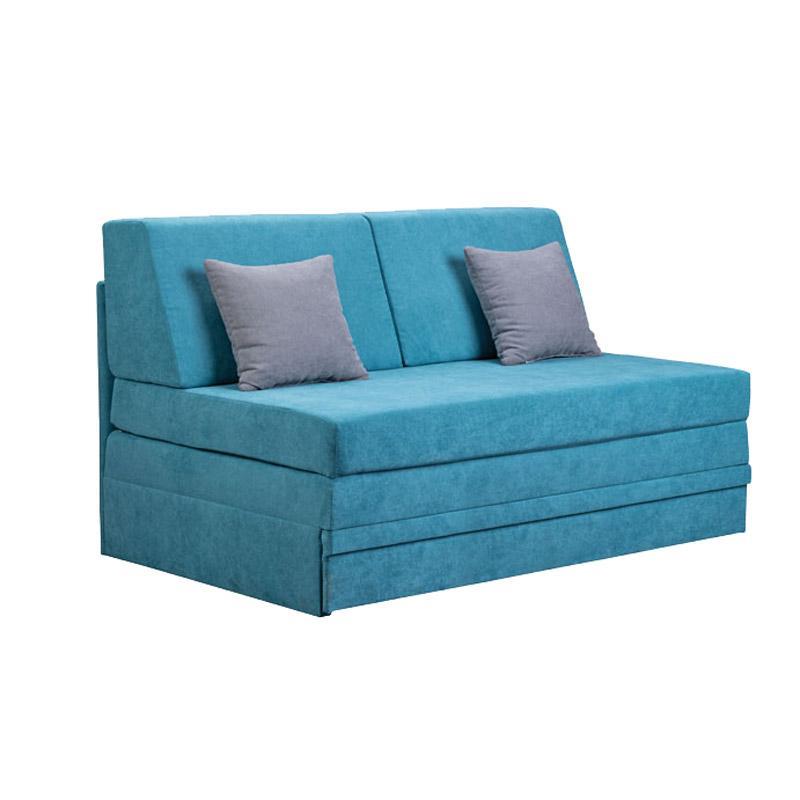
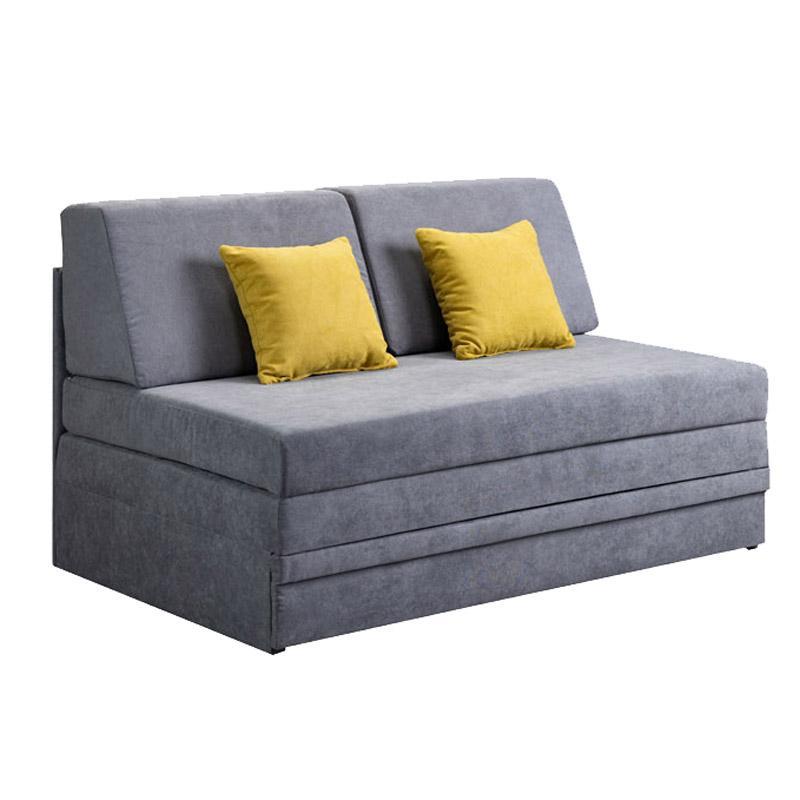
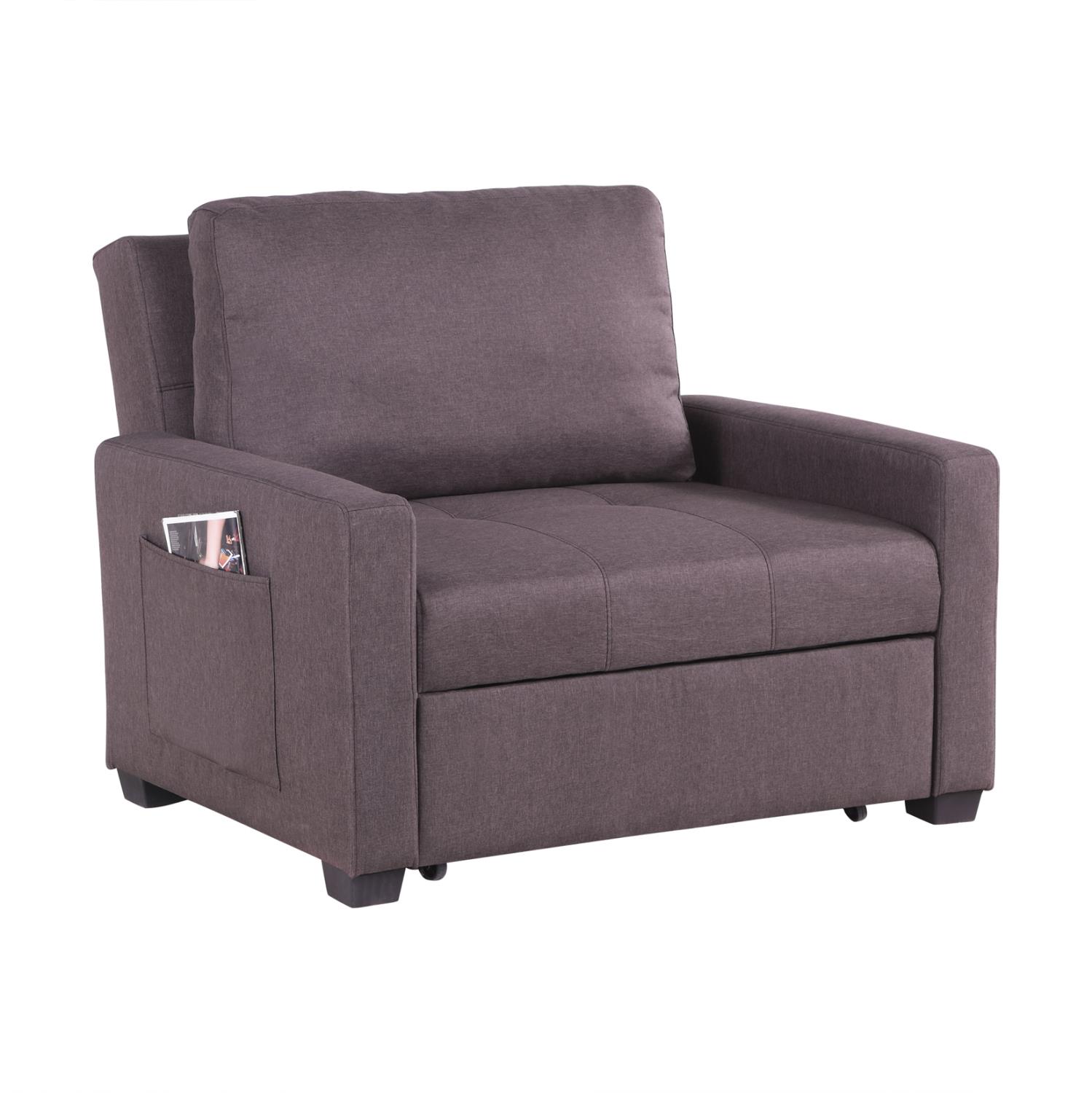
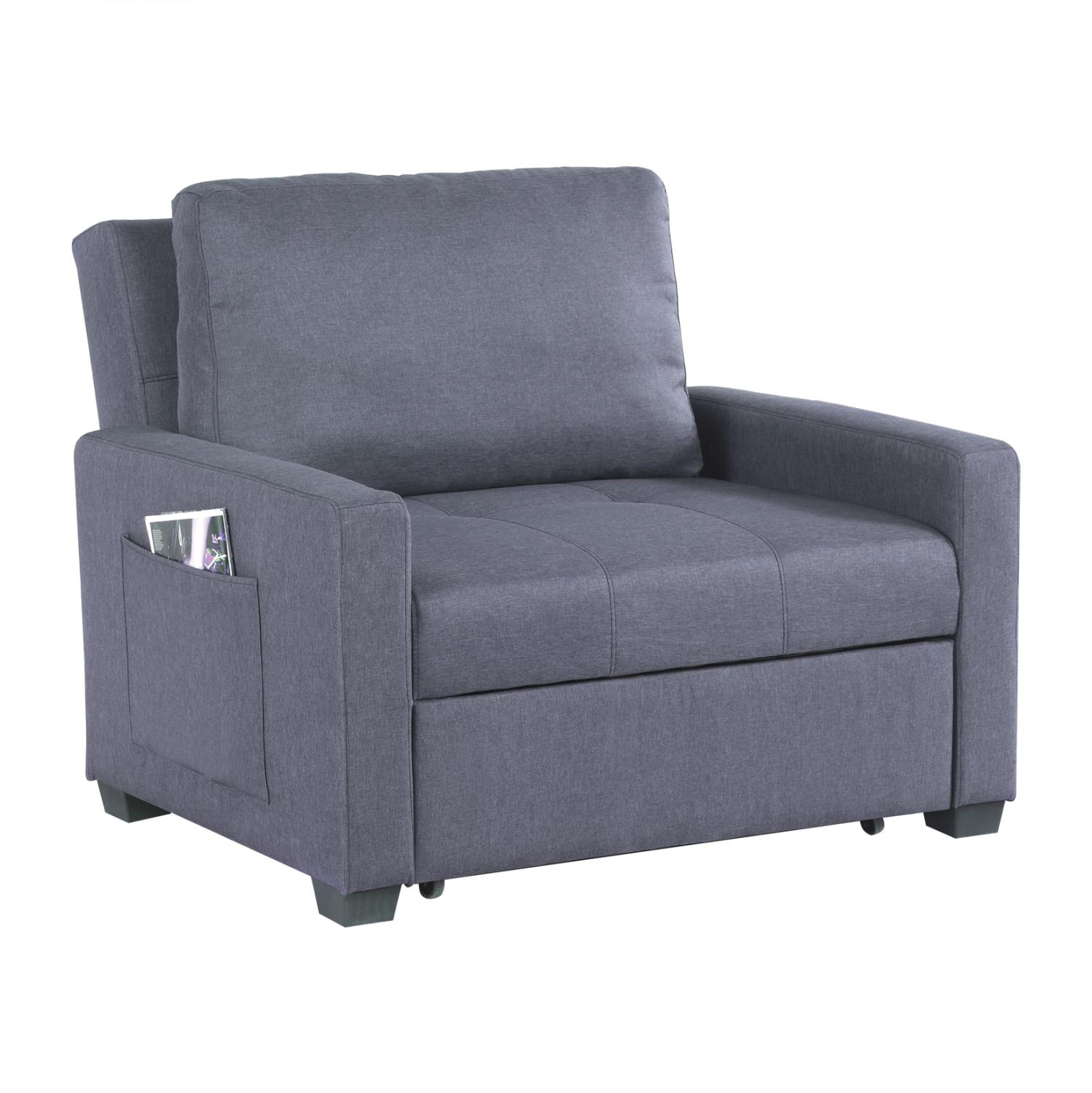
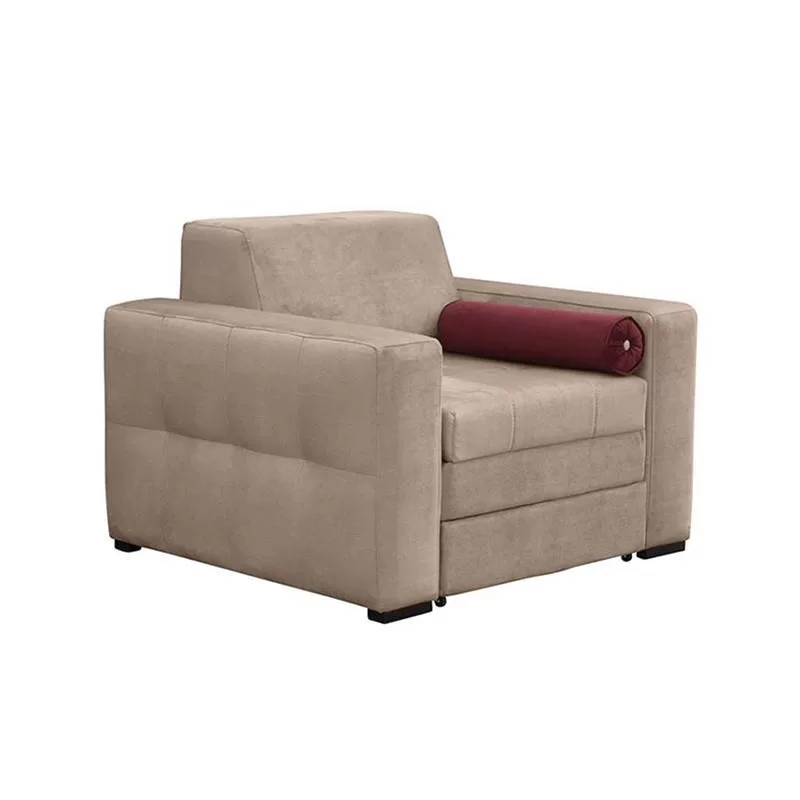
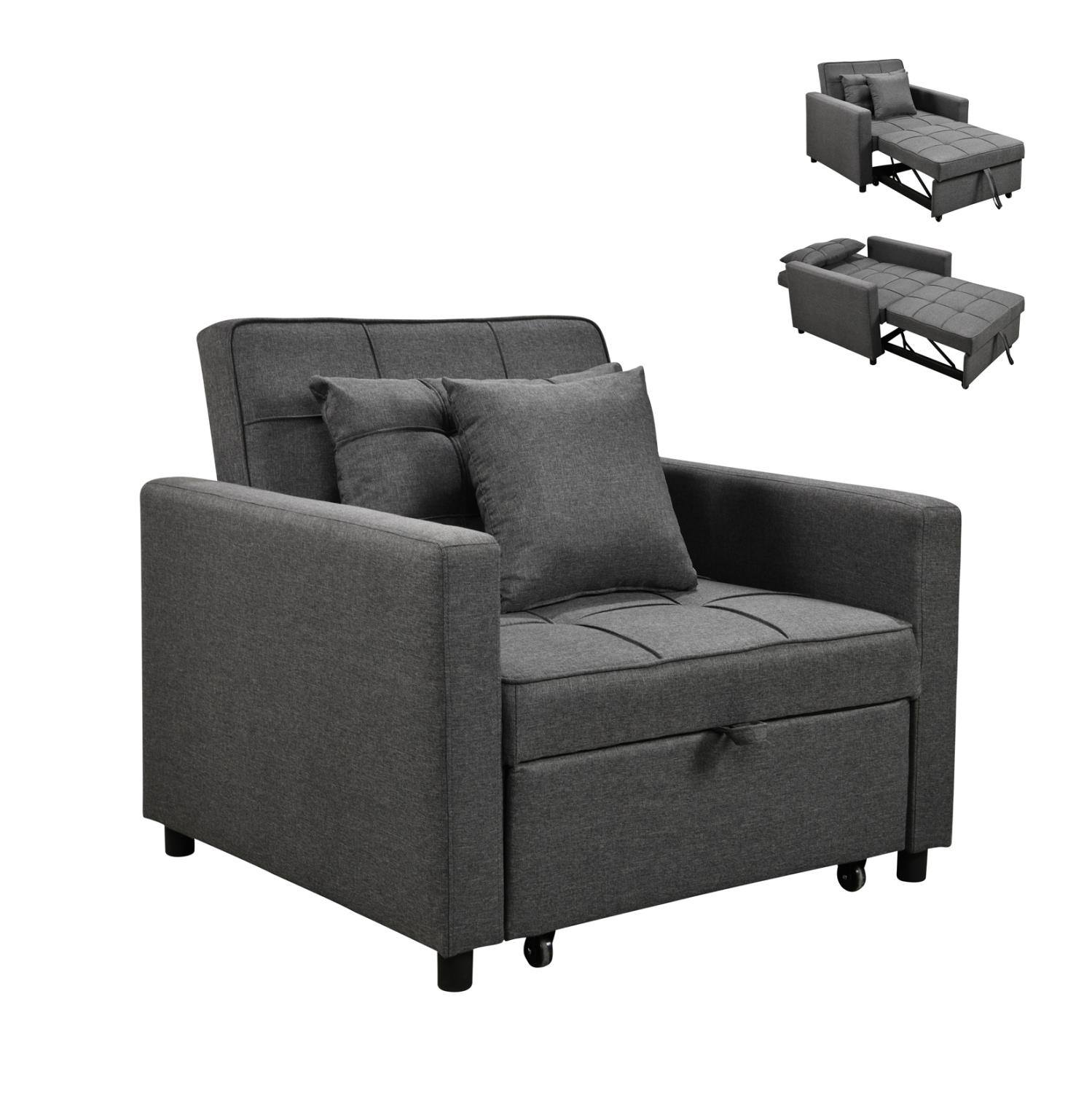
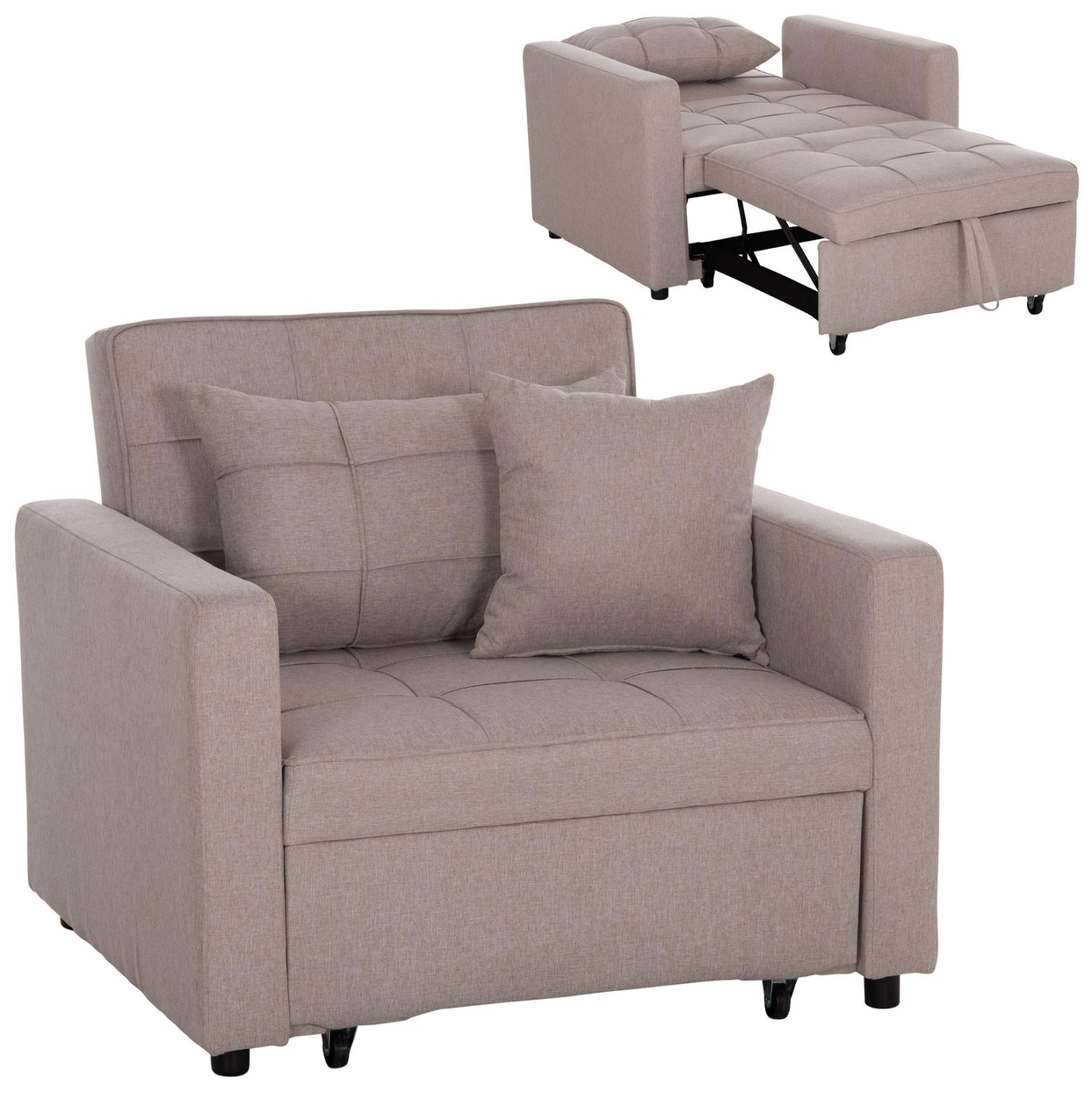
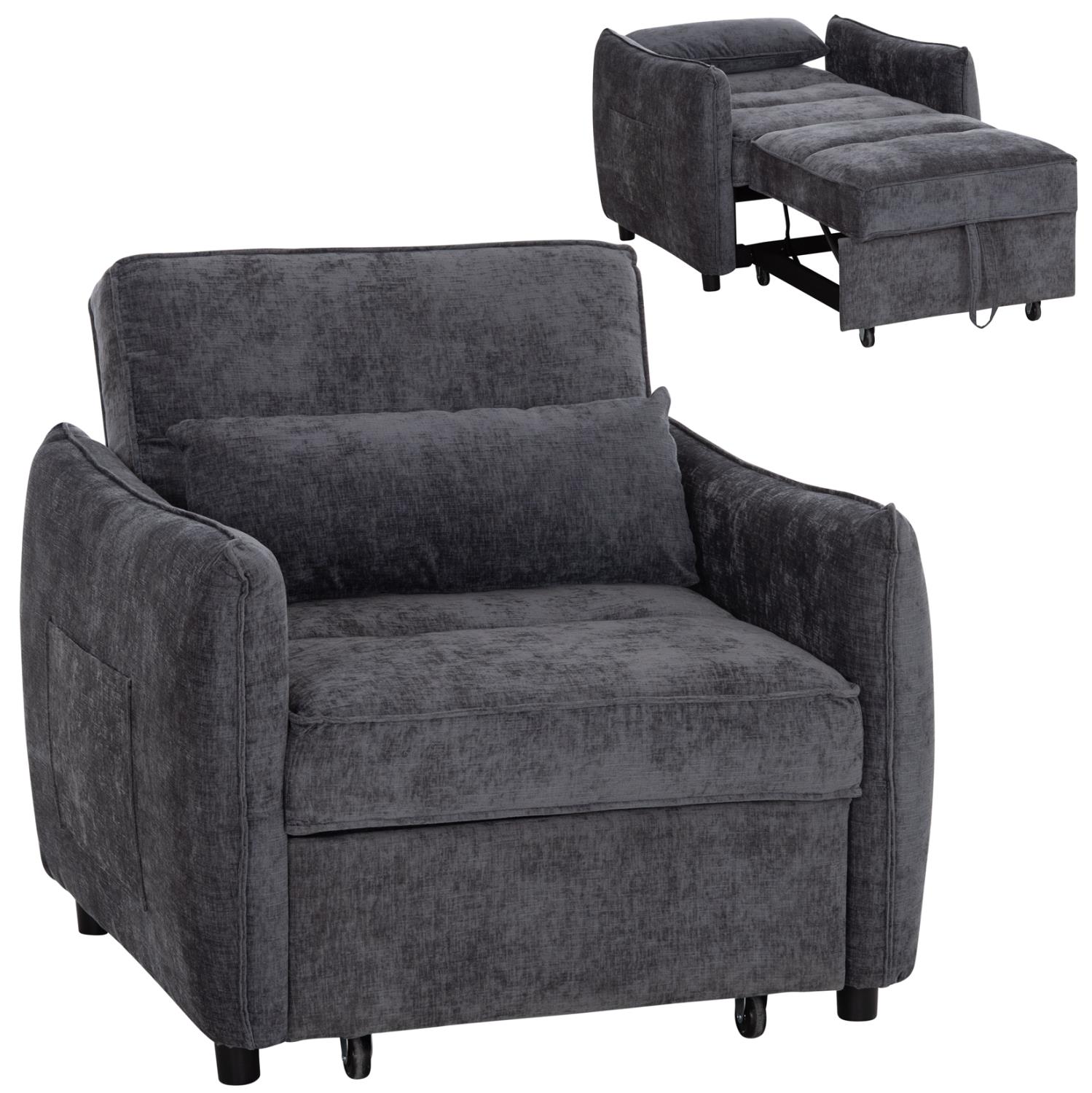
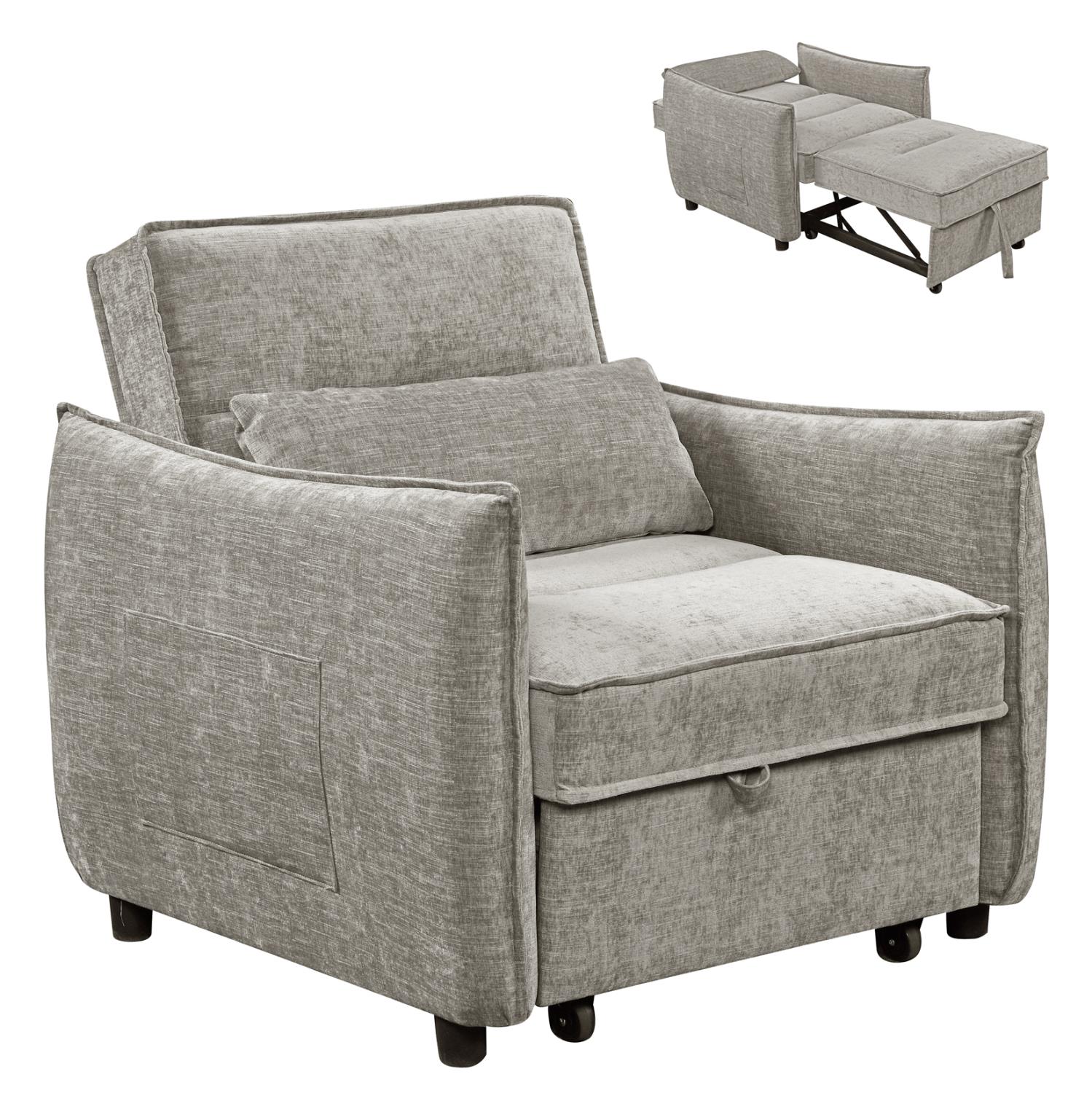
Are you looking for the ideal solution for small spaces or a flexible piece of furniture that adapts to your needs? We present to you the Fancy armchair-bed, an elegant and practical piece that combines the comfort of an armchair with the functionality of an extra bed, without compromising on style!
Technical characteristics:
• Made of a metal frame, highly durable over time and upholstered in high-quality yellow fabric.
• Mattress that folds easily, transforming the armchair into a bed at any time.
• Support on reinforced metal legs in a matte black shade.
• The set includes a practical large cushion in yellow.
• Mattress that folds easily, transforming the armchair into a bed at any time.
• Support on reinforced metal legs in a matte black shade.
• The set includes a practical large cushion in yellow.
Product Dimensions:
Armchair:
Armchair:
•Length: 95 cm
•Width: 98 cm
•Height: 70 cm
•Width: 98 cm
•Height: 70 cm
Bed:
•Length: 95 cm
•Width: 198 cm
•Height: 36 cm
•Width: 198 cm
•Height: 36 cm
Material Information:
•Metal: Metal is widely used in furniture construction, offering a number of advantages over other materials. It is extremely resistant to wear, ideal for furniture intended for daily use in a demanding environment. It maintains its shape and structure perfectly, ensuring stability and longevity of the furniture. In addition to the properties mentioned above, metal can also have other characteristics, such as antimicrobial action (copper) or superconductivity (lead).
•Fabric: Fabric is a flexible material made by weaving, knitting, stitching or bonding fibers. These fibers can be natural, such as cotton, wool, or silk, or synthetic, such as polyester or nylon. The weave of the fibers creates a network that gives the fabric its properties, such as strength, softness, breathability, and elasticity. There are countless varieties of fabrics, each with its own unique characteristics and uses.
Maintenance Instructions:
•Metal: For any indoor metal, dusting or wiping with a damp cloth at regular intervals is the recommended option.
•Fabric: Fabric maintenance depends on several factors, such as the type of fiber, the construction of the fabric, and its use. Use a mild detergent that is appropriate for the type of fabric. Avoid using chlorine or bleach, as they can damage the fibers.
Remarks:
•The product is delivered unassembled in its factory packaging and with a detailed assembly guide
•The color shade of the product may differ slightly from its photographic representation on your screen.